
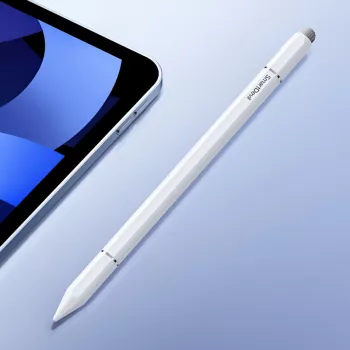
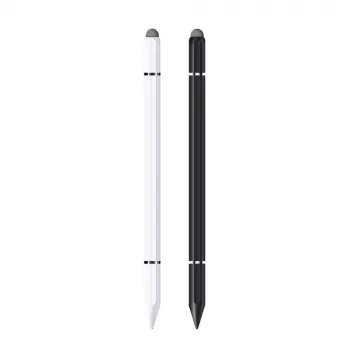
The key difference is that “stylus” is a broad category, while “capacitive pen” describes a specific type made to work on capacitive touchscreens (like iPads, iPhones, and most Android phones). In everyday shopping language, many people say “stylus pen” to mean any pen-like touchscreen pointer, including capacitive tips, active pens, and even digital pencils.
A capacitive pen (often called a capacitive stylus) uses a conductive tip to mimic the electrical properties of a fingertip. That’s why it generally works right away on capacitive screens without pairing, batteries, or special drivers. The tradeoff is that most basic capacitive pens don’t provide features like pressure sensitivity, palm rejection, or fine-point precision for detailed drawing—though higher-end options may improve accuracy with better tip designs.
A “stylus pen” can refer to:
1) A capacitive stylus (conductive tip, no pairing).
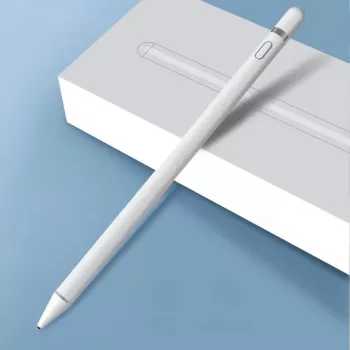
2) An active stylus/digital pen (electronics inside, may require charging, can support palm rejection and more precise input on compatible devices).
3) A magnetic/active stylus designed for tablets (often meant for writing and note-taking with improved control).
Choose a capacitive pen for simple tapping, scrolling, signing, or occasional notes across multiple devices. Choose an active stylus if you want more pen-like writing, steadier lines, and features that depend on device compatibility. For a deeper breakdown of magnetic and capacitive options—especially for iPad and iPhone—visit this guide to magnetic capacitive stylus options.
For Capacitive Pen vs Stylus Pen: Key Differences, the best answer depends on fit, material, care instructions, and how the product will be used day to day.
Checking those details first helps avoid a poor match and keeps the choice practical after delivery.
It works on most capacitive touchscreens (common on phones and tablets). It typically won’t work on older resistive screens or on devices that require a specific active pen protocol for advanced features.









Leave a comment