Luxury shopping decisions get easier when research, comparison, and fit checks are organized into a repeatable workflow. The Saint Laurent universe is especially tempting: clean lines, sharp hardware, and silhouettes that can look timeless—or feel redundant—depending on what’s already in your closet. The goal is to narrow options quickly, verify sizing and materials confidently, compare true all-in pricing across retailers, and avoid the most common mistakes without drifting away from the Saint Laurent look you actually wear.
Start by naming the purpose of the purchase, not the product. “A daily crossbody that works with denim and tailored coats” leads to smarter choices than “I want a YSL bag.” Pick the item type and use-case (daily bag, evening shoe, seasonal outerwear, belt, sunglasses) and write down what success looks like in real life—how often it will be used, where, and with which outfits.
Create a short “non-negotiables” list so you stop wasting time on close-but-not-quite options. Typical must-haves include color family (black, deep neutrals, a single accent), hardware tone (gold vs silver), material (calfskin, lambskin, suede), heel height, strap drop, and closure type. Then set a maximum all-in budget that includes tax, shipping, duties, and possible return shipping.
Finally, capture wardrobe context: list five outfits the piece must work with, plus silhouettes you already own to avoid accidental duplicates (another medium black flap bag, another pointed-toe pump at the same heel height, another slim belt with the same buckle shape).
The fastest way to get useful recommendations is to provide structured constraints. A “product brief” keeps suggestions anchored to your wardrobe and comfort needs, not hype. Include your preferred lines (classic silhouettes vs trend pieces), acceptable alternatives, and deal-breakers (heavy logos, delicate finishes, no external pocket, overly narrow toe box).
Add fit constraints that are easy to validate: height, typical sizes, foot width notes, strap comfort, and laptop compatibility if relevant. Then request a ranked shortlist with reasons tied directly to your brief—silhouette, materials, wearability, and versatility.
| Field | Example input | Why it matters |
|---|---|---|
| Item + occasion | Small black shoulder bag for evenings + weekends | Prevents irrelevant suggestions |
| Material preference | Smooth calfskin; avoid very delicate lambskin | Durability and scratch tolerance |
| Hardware | Gold tone only | Keeps styling consistent |
| Capacity needs | Phone, keys, card holder, lipstick; no laptop | Avoids under/over-sized picks |
| Comfort constraints | Strap drop 9–12 in; not too short under arm | Wearability |
| Budget ceiling | Max $2,200 all-in | Stops upsell drift |
| Do-not-buy list | No loud monograms; avoid final sale | Reduces regret and return risk |
When comparing Saint Laurent pieces, it’s easy to get pulled toward “most popular” lists that ignore how the item reads on the body and in a wardrobe. Instead, ask for comparisons that prioritize silhouette geometry (sharp vs slouchy, structured vs soft), material behavior (stiffness, shine, scuff visibility), and styling versatility (day-to-night, casual-to-tailored).
Vet the retailer or seller as carefully as the item. Confirm return windows, condition grading standards, included accessories (dust bag, cards, receipts when available), authentication steps, and dispute resolution paths. Keep documentation: screenshots of the listing, order confirmation, and any seller messages. For broader online-shopping protections and best practices, the FTC’s consumer guidance is a helpful baseline: https://consumer.ftc.gov/.
Always compare total cost, not ticket price. Duties, shipping, return fees, currency conversion, and foreign transaction fees can flip the “best deal.” When two options land close, favor the one with the better return policy and condition guarantees. For official reference on what’s currently offered and how it’s described by the brand, use the Saint Laurent site as a product baseline: https://www.ysl.com/. For material terminology and standards context, ISO’s leather overview can be useful: https://www.iso.org/.
| Option | All-in cost | Return terms | Condition/notes | Decision |
|---|---|---|---|---|
| Option A (new) | Tax + shipping included | 30 days, free returns | Color match to wardrobe; durable leather | Preferred if sizing confirmed |
| Option B (pre-owned) | Item + shipping + duties | Final sale / limited | Great price; higher wear risk | Only if photos + policy are strong |
| Option C (alternate color) | All-in estimate | Standard returns | Versatile neutral; slightly less ideal hardware | Backup if A unavailable |
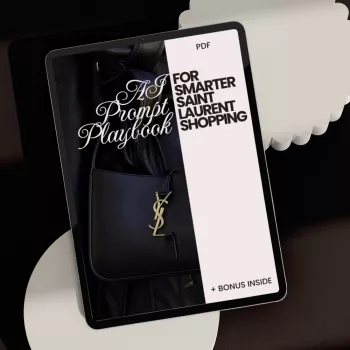
For a compact, step-by-step structure you can reuse across categories, see AI Prompt Playbook for Smarter Saint Laurent Shopping – The Ultimate Guide to Shopping with AI. For quick, practical shopping support while you compare listings and measure items at home, Adjustable Foldable Phone Stand for iPhone helps keep product pages and measurement notes visible, and 120W Dual-Port Fast Charger with USB-C PD for Apple Devices keeps devices powered during longer research and checkout sessions.
Have your item category, budget ceiling, preferred materials and hardware tone, sizing details, and capacity requirements ready. Add a short deal-breaker list and 3–5 outfits the purchase must work with to keep suggestions realistic.
Choose retailers with clear return windows and documented processes, keep all packaging and protective materials, and try items on indoors to preserve condition. Document unboxing and confirm whether duties and return shipping are refundable before ordering.
It can be safe when the seller provides detailed photos, transparent condition grading, and a clear authentication and dispute path. Ask specifically about wear points for the material and exactly which accessories are included before paying.












Leave a comment