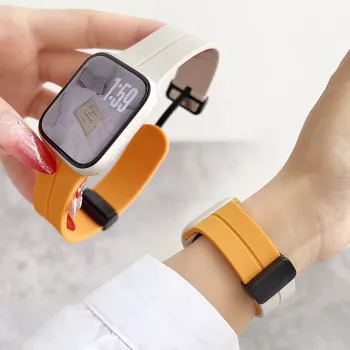
A silicone sport strap is a practical upgrade for an Apple Watch: lightweight, flexible on the wrist, and easy to wipe clean after training, commuting, or long workdays. Whether you’re logging a run, typing through meetings, or tracking sleep, the right strap choice can make your watch feel less “on” and more like part of your routine. Below is a clear breakdown of comfort, fit, durability, and sizing so choosing (and maintaining) a silicone strap feels straightforward.
Silicone is popular for a reason: it’s comfortable in motion, doesn’t mind sweat, and can handle the pace of daily life without feeling fussy.
Comfort starts with compatibility. Before you buy any Apple Watch strap, confirm your watch case size and your wrist measurement. If you’re not sure which Apple Watch model you have, Apple’s guide can help: Apple Support: Identify your Apple Watch.
| What to check | Why it matters | Quick tip |
|---|---|---|
| Case size compatibility | Ensures the connector seats correctly | Match your watch case group (e.g., 41 mm group vs 45 mm group) |
| Wrist measurement | Prevents overly tight or loose wear | Measure with a tape or string and compare to the strap range |
| Snugness during activity | Helps keep the watch stable for heart-rate readings | Tighten one notch for workouts, loosen after cooldown |
| Skin comfort | Avoids irritation from friction or trapped moisture | Clean and dry the strap after sweaty sessions |
Two straps can look similar online but feel very different after three hours at a desk or a full training session. These details tend to matter most once you’re actually wearing the strap.
Silicone generally stays reliable through sweat and water, which makes it a strong daily driver. The biggest enemy isn’t the workout—it’s buildup.
A simple routine keeps a silicone strap comfortable—especially if you alternate between workouts, errands, and all-day wear.
If you’re swapping straps often, Apple’s official steps are helpful for avoiding accidental button presses or imperfect seating: Apple Support: Change your Apple Watch band.
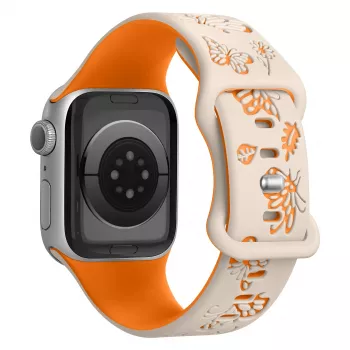
If you want an uncomplicated, comfortable everyday option, the Apple Watch Silicone Sport Strap is a practical pick for training sessions and daily wear. It’s an easy way to refresh comfort without adding bulk, and it’s convenient to keep as a backup for travel, gym days, or post-workout swaps.
Silicone generally handles water well, but it’s smart to rinse the strap after chlorine, salt, or soap residue and dry it fully to help prevent skin irritation. For additional guidance, Apple outlines important details about water resistance here: Apple Support: About water resistance of Apple Watch.
Wear it snug enough that the watch doesn’t slide during movement, since shifting can affect readings. Many people tighten one notch for workouts, then loosen it afterward for everyday comfort.
Use mild soap and lukewarm water, rinse thoroughly, and air-dry completely before wearing again. Avoid abrasive scrubbers and harsh chemicals that can dull the finish or leave residue behind.









Leave a comment