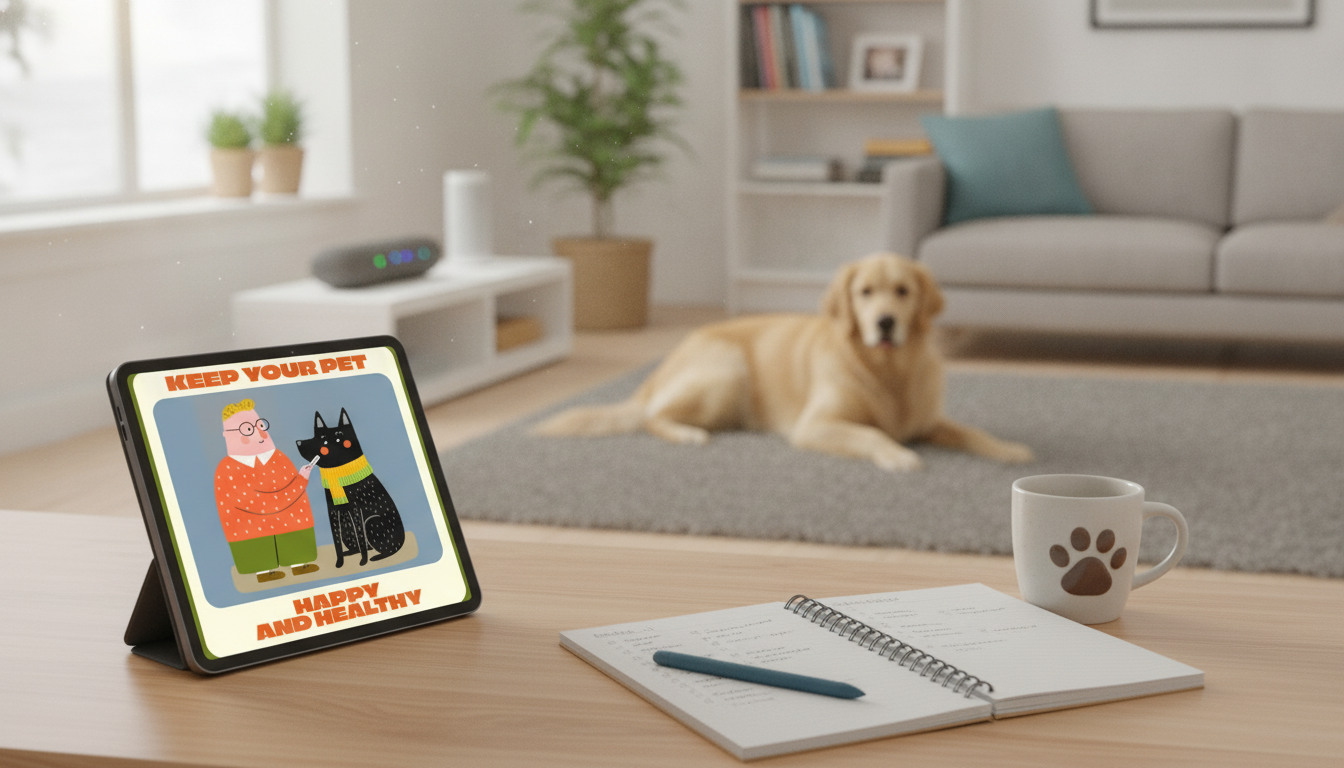
AI-assisted tools work best as a practical helper: they organize your pet care workload, reduce “oops, I forgot,” and turn scattered observations into a clear timeline you can share with your veterinarian. Used well, AI can handle planning, reminders, and pattern-spotting—especially when you keep your notes simple and consistent.
Where AI shines is preventing missed tasks like feeding times, medications, grooming, parasite prevention, nail trims, training sessions, and enrichment. Where it does not belong is diagnosis. If something feels urgent or unusual, contact your veterinarian or an emergency clinic right away. The strongest results come from combining AI suggestions with real-world observation and professional guidance.
The easiest way to make AI useful is to create one “home base” where you always record care tasks the same way. This can be a calendar plus a notes app, or a dedicated pet-care app that supports reminders and sharing. Consistency matters more than complexity.
| Task | How AI helps | What to record | Suggested cadence |
|---|---|---|---|
| Meals & water | Creates timed reminders and checks consistency | Portion, appetite changes, water intake notes | Daily |
| Medications | Schedules doses and flags missed times | Dose, time given, side effects | As prescribed |
| Exercise & enrichment | Suggests varied activities based on time/weather | Duration, intensity, behavior afterward | Daily |
| Grooming | Rotates brushing, bathing, nail trims | Coat/skin notes, ear/teeth checks | Weekly–monthly |
| Parasite prevention | Recurring monthly reminders | Product used, date applied, reactions | Monthly/seasonal |
| Vet care | Pre-visit checklist and symptom timeline | Vaccines, weights, test results, questions | As needed/annual |
A plan only works if it fits real life. Instead of building a strict routine that collapses the first time a meeting runs late, use AI to create a flexible schedule anchored by essentials.
If you want a structured, step-by-step setup (with templates you can copy), Using AI to Keep Your Pet Happy and Healthy | Digital Guide on How to Use AI to Schedule Pet Care Tasks, Track Wellness & Automate Daily Routines is an easy way to build your system once and keep it running.
Wellness tracking doesn’t need to be intense. Pick a small set of signals that are meaningful and easy to notice—then let AI summarize patterns weekly so you aren’t stuck journaling every detail.
For baseline care guidance and what to monitor across life stages, the AVMA pet owner resources are a reliable reference point.
Many pets relax when the day is predictable. AI makes it easier to keep routines steady—even when humans are juggling work, school, and errands—by managing reminders and rotating activities so boredom doesn’t build.
A small upgrade that helps routines stick: set up a hands-free “care station” where you feed, medicate, or groom. The Adjustable Foldable Phone Stand for iPhone keeps your checklist visible while your hands are busy.
For general pet care education and prevention basics, the ASPCA Pet Care library is a helpful companion resource.
When you’re double-checking food safety, the FDA list of people foods to avoid feeding pets is a solid reference.
If your phone is part of your care routine (and it usually is), protecting it from drops during walks, bath time, or medication prep can prevent annoying disruptions. The Creative Transparent All-Inclusive Drop Protection Case for iPhone 16, 15, 14, 13, 12 helps keep your “command center” intact.
Start with meals, medication timing, potty/walk breaks, and monthly preventatives; then add grooming and enrichment once the basics are consistent.
AI can help organize observations and highlight patterns, but it cannot diagnose. If symptoms are severe, sudden, or getting worse, contact a veterinarian or an emergency clinic.
Tracking 2–4 key signals plus a weight trend is usually enough for meaningful insights without burnout. Use short notes and let AI summarize weekly instead of logging everything in detail.













Leave a comment