AI-Guided Checklist for an Hermès-Inspired Lifestyle Fit
A polished wardrobe is only “elevated” if it’s wearable—on real mornings, in real weather, with real schedules. An Hermès-inspired approach (think restraint, longevity, and quiet consistency) can be surprisingly practical when it’s translated into a repeatable routine: dependable silhouettes, intentional color choices, and materials that hold up over time. The checklist format makes that translation easier by turning inspiration into decisions you can actually stick with. For more guidance, see Vacation Outfit Planner: Free Downloadable + Editable ….
For brand context and style references, you can explore the Hermès official website and broader runway-to-real-life coverage on Vogue.
What “lifestyle fit” means for an Hermès-inspired wardrobe
Lifestyle fit is the filter that keeps a beautiful closet from becoming an expensive costume rack. Instead of starting with an aesthetic and forcing your life to match it, you begin with how you actually move through the week and build style rules around that reality.
- Wear reality first: climate, commute time, office expectations, social plans, and comfort needs determine what gets repeated.
- Longevity over novelty: an Hermès-inspired mindset values fewer, better pieces that work together—rather than constant trend cycling.
- A wardrobe system: fewer decision points, higher re-wear potential, and clearer boundaries on what qualifies as a smart purchase.
- Measurable choices: a checklist converts “inspired by” into specifics like colors, cuts, materials, and use-cases.
Who this checklist is for
- Anyone building a polished everyday wardrobe that still functions with real schedules and budgets.
- Shoppers who want to reduce impulse purchases and improve outfit repeatability.
- Professionals planning outfits for travel, office weeks, events, or seasonal transitions.
- Fashion enthusiasts who like using AI chat tools to speed up planning, but want structure and consistency.
What’s inside the digital download
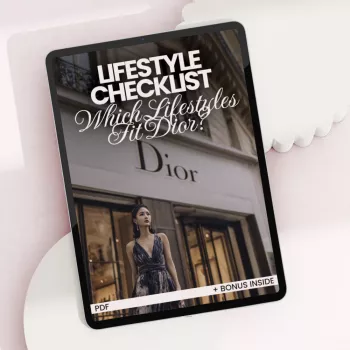
This digital checklist is designed to capture your constraints and turn them into wardrobe rules—so planning stays consistent from week to week (and purchase to purchase). It’s especially helpful when you’re refining a capsule, prepping for a season, or trying to stop buying “almost right” items.
- Constraint capture: weather, dress codes, comfort requirements, and laundry/maintenance time become guardrails.
- Silhouette definition: question sets to clarify preferred proportions (rise, length, volume) and go-to layering formulas.
- Color planning cues: core neutrals, accent colors, and pattern boundaries that keep outfits cohesive across seasons.
- Purchase priorities: what to buy next, what to tailor, what to resell/donate, and what to stop buying entirely.
Planning areas covered
| Planning area |
What gets clarified |
Outcome you can act on |
| Lifestyle constraints |
Where and how clothes are worn |
A realistic wardrobe brief |
| Silhouette preferences |
Cuts that flatter and feel comfortable |
Fewer “almost right” buys |
| Color cohesion |
Neutrals and accents that mix well |
More outfits from fewer pieces |
| Fabric & care |
Maintenance time and durability needs |
Better cost-per-wear decisions |
| Occasion planning |
Work, weekend, travel, events |
A repeatable outfit rotation |
| Shopping boundaries |
What qualifies as a “yes” purchase |
Less clutter and regret |
How to use it with an AI chat tool (without overcomplicating it)
The goal is consistency, not endless ideation. Use the checklist as the “rules,” and use an AI chat tool only as a fast way to generate options that stay inside those rules.
- Start with a wardrobe brief: paste your lifestyle constraints plus must-have features (comfort, climate, dress code, shoe tolerance).
- Ask for outfit formulas first: request templates like “top + bottom + layer + shoe + bag,” then plug in items you already own.
- Let the checklist veto suggestions: if a recommendation breaks your care rules, color plan, or silhouette preferences, it’s a no—no exceptions.
- Run a weekly routine: plan 5–10 outfits, note gaps, then convert gaps into a ranked shopping list.
A simple fashion-planning workflow you can repeat each season
This seasonal workflow keeps the wardrobe cohesive while still leaving room for a few “joy” pieces.
- Step 1: Closet scan. Separate “wear weekly,” “wear sometimes,” and “never wear.” The last pile is information, not failure.
- Step 2: Outfit rotation. Build dependable combinations first (your reliable neutrals and layers) before adding statement items.
- Step 3: Gap analysis. Look for pieces that multiply options: a layering knit, a versatile trouser, weatherproof outerwear, a walkable shoe.
- Step 4: Purchase rules. Define non-negotiables like fabric standards, fit tolerance, heel height, bag capacity, and price ceilings.
- Step 5: Maintenance plan. Decide what gets tailored, repaired, or cleaned now so your best pieces stay in rotation.
Common planning mistakes this checklist helps prevent
Digital download details and practical use cases
Recommended tools to make planning easier
FAQ
What file format is included, and how is it delivered?
It’s a digital download, typically provided as a PDF-style file you can save and reuse. Delivery is available through a download link after checkout or via email instructions, depending on the storefront flow.
Can it be used with any AI chat tool?
Yes. It’s tool-agnostic—copy and paste the question sets into the AI chat tool you prefer, and use the checklist as the consistency guardrail that keeps recommendations aligned with your rules.
Is this only for Hermès owners, or can it work with any budget?
It works with any budget because it’s an inspiration-based planning method focused on cohesion, fit, and longevity. You can mix high and low pieces, thrift, or shop selectively while keeping the same wardrobe logic.
Recommended for you













Leave a comment