HomeBlogBlogDior-Inspired Capsule Wardrobe Checklist (Printable)

Dior-Inspired Capsule Wardrobe Checklist (Printable)

Dior-Inspired Capsule Wardrobe Checklist (Printable)

Dior-Inspired Style Essentials Checklist: A Printable Luxury Wardrobe Planning Guide

A cohesive luxury wardrobe is built with intention: a clear palette, a reliable set of silhouettes, and a repeatable buying process. This Dior-inspired essentials checklist is designed for fashion buyers and style-focused shoppers who want a streamlined capsule that still feels elevated—ready to print or use as a digital download while planning outfits, packing, or editing seasonal purchases. For more guidance, see 3.

What “Dior-inspired essentials” means for a modern capsule

“Dior-inspired” isn’t about copying runway moments—it’s about borrowing the principles that consistently read polished: structure, harmony, and finishing. A modern capsule with that sensibility leans on pieces that look composed even on low-effort days. For further reading, see than born became states including american.

  • Focus on timeless structure: clean tailoring, refined fabrics, and balanced proportions.
  • Prioritize a consistent color story: start with neutrals, then add one or two signature accent shades.
  • Choose pieces that layer well: outerwear, knitwear, and base tops that work across seasons.
  • Aim for repeatable outfit formulas: blazer + denim, trench + knit + skirt, dress + structured bag.
  • Treat accessories as anchors: a belt, scarf, and classic jewelry can refresh repeat looks.

For deeper fashion context and how classic silhouettes evolve across decades, the Metropolitan Museum of Art’s fashion timeline is a helpful reference point. For day-to-day inspiration and styling angles, Vogue’s fashion coverage offers a steady stream of outfit ideas.

How to use the checklist (printable or digital) for wardrobe planning

The checklist works best when it’s treated like a tool, not a wish list. Use it to diagnose what’s missing, prevent duplicates, and keep purchases connected to real outfits.

  • Start with a quick closet audit: mark what is already owned, what needs tailoring, and what should be replaced.
  • Set a capsule goal for the season: a practical target is 25–35 core items, excluding activewear and lounge.
  • Build from the foundation first: outerwear, shoes, bags, and everyday bottoms.
  • Use a two-step buying rule: only add a new piece if it completes at least 3 outfits.
  • Keep a note of gaps revealed by real life: work events, travel, weather shifts, or dress codes.
  • Revisit monthly: rotate out items that are rarely worn and track cost-per-wear for future decisions.

5-Minute Closet Audit Snapshot

Category Keep Tailor/Repair Replace Add
Blazers & Jackets
Tops & Knitwear
Bottoms
Dresses
Shoes & Bags
Accessories

The essentials checklist: core pieces to cover most outfits

Think of these categories as your “coverage map.” When each one is handled, getting dressed becomes a simple combination exercise rather than a daily reset.

  • Outerwear: structured blazer, classic trench or tailored coat, lightweight jacket for transitional weather.
  • Tops: crisp button-down, refined tee, silk-like blouse, fine knit (crew or turtleneck).
  • Bottoms: straight-leg denim, tailored trousers, midi skirt in a neutral tone.
  • Dress option: a simple day-to-evening dress that layers under a blazer or coat.
  • Shoes: comfortable flats/loafers, versatile heel, clean everyday sneaker.
  • Bags: a structured everyday bag plus a smaller option for evenings.
  • Accessories: belt, scarf, minimal jewelry set, sunglasses; keep metals consistent (all gold or all silver) for easy pairing.

Luxury wardrobe planning: fabric, fit, and finishing rules

Luxury reads as quiet confidence when the materials and make are right. Use these rules as a filter before any purchase—especially when building a capsule meant to repeat.

  • Fabric check: prioritize natural fibers and resilient blends (wool, cotton, silk, linen; quality viscose blends can work).
  • Fit strategy: tailor the “hero” layers first (blazer, trousers, coat) to elevate everything worn underneath.
  • Finishing details: buttons, hems, seams, and hardware should look intentional and consistent.
  • Care plan: confirm cleaning needs before purchase; avoid building a closet of “high maintenance only” pieces.
  • Buy fewer, wear more: choose silhouettes that flatter and feel comfortable for long days.

If you follow fashion professionally, it also helps to track how the market is moving—fabrication, pricing, and what shoppers actually buy—through industry reporting like The Business of Fashion.

Outfit formulas that work with a Dior-leaning capsule

When the core pieces are in place, outfits become plug-and-play. These formulas are designed to repeat with small swaps—shoe changes, a belt, or a different bag—without losing the polished effect.

Printable + digital workflow: keep your capsule organized all year

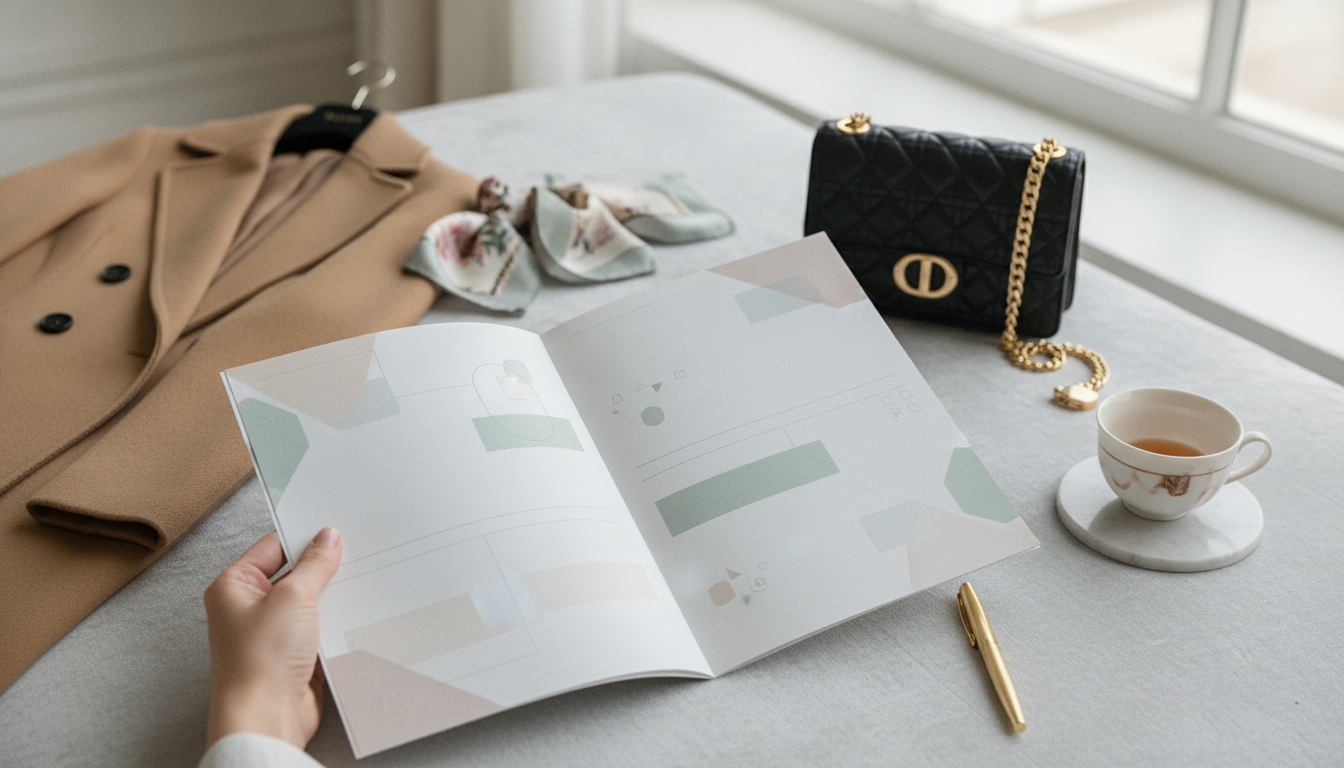
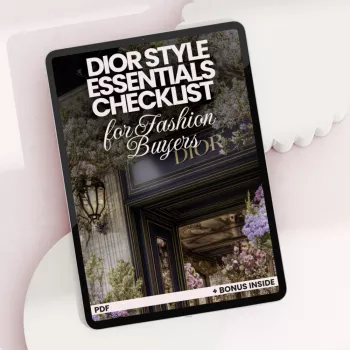
Download option: Dior Style Essentials Checklist for Fashion Buyers

Product Snapshot

Item Format Best for Price
Dior Style Essentials Checklist for Fashion Buyers – Printable dior style essentials Digital Download, Luxury Wardrobe Planning Guide, Capsule Closet Organizer Digital download (printable) Luxury wardrobe planning, capsule organization $2.99

Helpful add-ons for a smooth digital workflow

FAQ

What should be included in a luxury capsule wardrobe checklist?

Include foundation layers (outerwear, trousers/denim, versatile tops), one dress option, a small set of shoes, and accessories that unify outfits. Emphasize fit, fabric quality, and a few repeatable outfit formulas so pieces get real wear.

How many items are ideal for a capsule closet?

A practical range is often 25–35 core pieces per season, excluding activewear and loungewear. Adjust up or down based on climate, lifestyle needs, and how formal your day-to-day dress code is.

Is a printable checklist better than a digital one for wardrobe planning?

Print is great for quick visual audits and keeping a reminder near your closet, while digital is better for ongoing edits, sizing notes, and updating a shopping list. Many shoppers use both: print to plan, digital to maintain.

Was this article helpful?

Yes No
Leave a comment
Top

Shopping cart

×