HomeBlogBlogSilicone AirTag Case: Protect Keys, Bags & Luggage

Silicone AirTag Case: Protect Keys, Bags & Luggage

Silicone AirTag Case: Protect Keys, Bags & Luggage

Silicone Protective Case for Apple AirTag: Everyday Protection for Keys, Bags, and Gear

A silicone case helps keep an AirTag protected from scuffs, minor bumps, and daily wear while making it easier to attach to common items like keyrings, backpacks, luggage, and pet collars. The right holder also makes an AirTag feel less “loose” in day-to-day carry—so it’s easier to live with on noisy keychains, in packed bags, and on the go. For more guidance, see Amazon Packing list – Magnificat Travel.

Below is a practical breakdown of what a silicone protective case does, what fit details matter most, and simple habits that help keep your AirTag secure and readable. For AirTag setup and Find My basics, Apple’s guides are helpful: Apple Support: AirTag and Apple Support: Find My. For further reading, see AirTag Accessories | Belkin US.

What a Silicone Case Does for an AirTag

AirTags are designed for everyday use, but the smooth shell can show wear quickly when it rides next to metal keys, zippers, clips, and other hard items. A silicone case adds a soft outer layer that helps in several small-but-noticeable ways:

  • Adds a soft barrier to reduce visible scratches on the AirTag’s shell during daily carry
  • Helps absorb light impacts from drops inside bags, on keys, or while traveling
  • Improves grip so the AirTag is less likely to slide around in pockets or pouches
  • Provides an attachment point for keyrings, straps, clips, or loops (depending on the holder design)
  • Can help reduce annoying clacking noises when an AirTag knocks against keys or other metal items

Fit and Design Details That Matter

Not all silicone holders feel the same. Some are soft and stretchy, others are firmer and more structured. These design details tend to make the biggest difference once you start carrying an AirTag every day:

  • Snug fit: the case should hold the AirTag firmly so it doesn’t wiggle or pop out with twisting pressure
  • Edge coverage: raised edges help protect the AirTag’s face from rubbing on tables or inside bags
  • Port and speaker considerations: the case should not completely block sound if you rely on the AirTag’s chime for finding items
  • Attachment style: loop, ring hole, strap slot, or adhesive options—match the case to where the AirTag will live
  • Profile: thinner cases are easier to slip into compact holders; thicker cases can add more cushion but more bulk
  • Material feel: silicone can vary—some finishes attract lint more than others; darker colors may hide marks better

Quick checklist for picking a silicone AirTag case

Feature Why it helps Best for
Tight retention Keeps the AirTag from slipping out during movement Keys, collars, backpacks
Raised rim Reduces scuffs when placed on surfaces Desk items, luggage tags
Unblocked sound path Makes the chime easier to hear Indoor item finding
Strong attachment point Lowers the chance of loss from strap failure Travel and outdoor use
Low-profile shape Less bulk in pockets and small pouches Minimal carry setups

Common Use Cases: Where a Silicone Case Helps Most

Where you attach an AirTag determines what kind of silicone holder makes the most sense. The goal is simple: keep the AirTag attached, reduce wear, and avoid creating a snag point.

  • Keys: a flexible case can cushion impacts and prevent the AirTag from getting scratched by key teeth
  • Backpacks and gym bags: cases with a solid loop help keep the AirTag attached to internal rings or zipper pulls
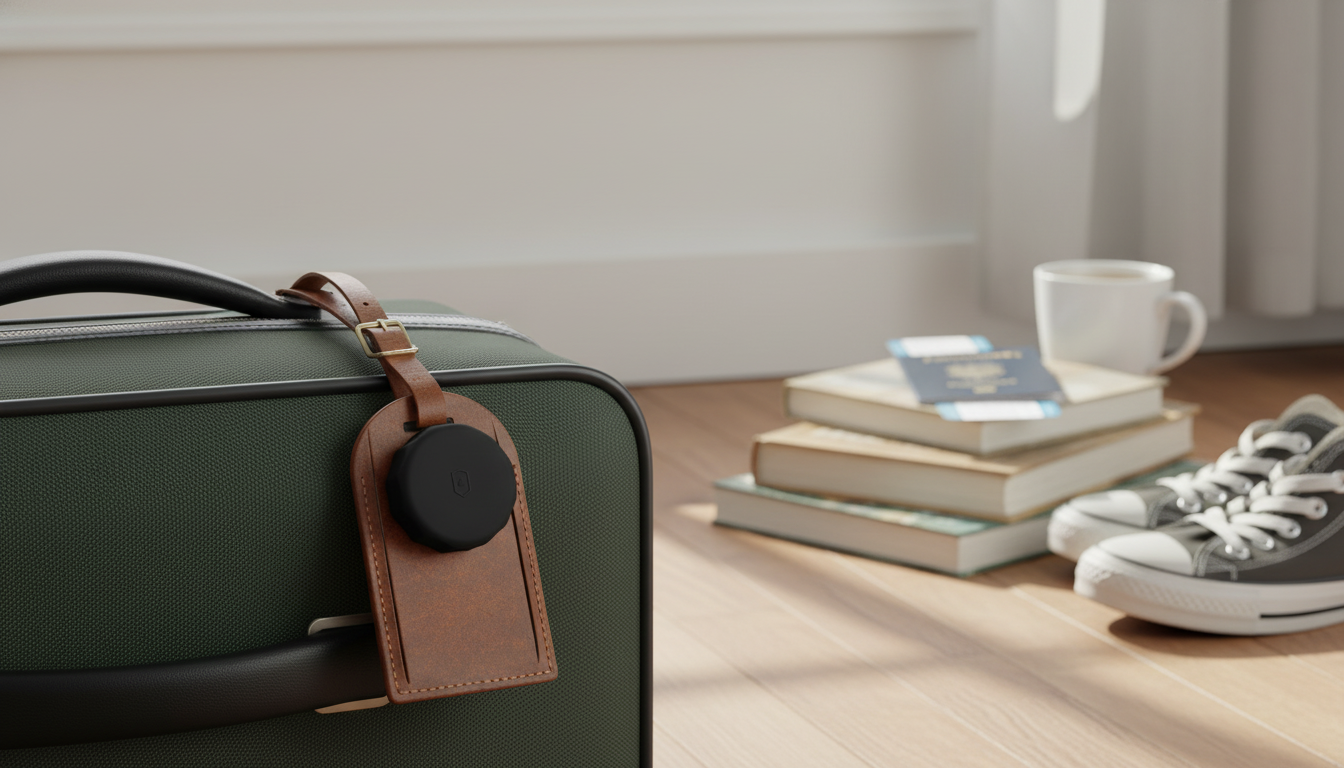
  • Luggage: a durable loop/strap style can withstand pulling and rubbing during travel handling
  • Bikes and scooters: when tucked into a frame bag or accessory pouch, silicone helps reduce rattling
  • Camera bags and gear cases: reduces contact wear when packed alongside hard accessories
  • Pet collars: only use collar-appropriate holders; confirm the attachment is secure and comfortable and won’t snag

Care, Cleaning, and Long-Term Durability

Silicone is easy to live with, but it benefits from quick, routine care—especially if it’s handled frequently or lives on a keychain.

  • Wipe with a damp cloth for routine cleaning; mild soap helps remove skin oils and grime
  • Let the case dry fully before re-inserting the AirTag to avoid trapping moisture
  • Check the loop/attachment point regularly for stretching, tearing, or thinning—especially on keychains
  • Avoid prolonged exposure to harsh chemicals (solvents, strong cleaners) that can weaken silicone over time
  • If the case collects lint, a quick rinse and air-dry typically restores the surface

Getting the Best Tracking Experience with a Case On

Product Option: Silicone Protective Case for Apple AirTag

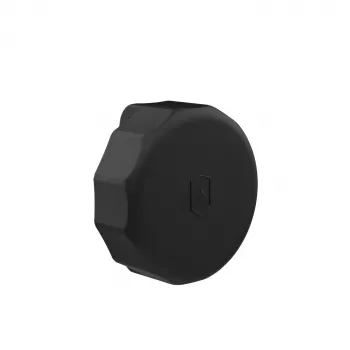
If you want a straightforward layer of daily protection, the Silicone Protective Case for Apple AirTag is a simple silicone option designed to help guard an AirTag from everyday scuffs and light impacts.

Related Options to Consider

FAQ

Will a silicone case affect AirTag tracking accuracy?

In typical use, a thin silicone case should not meaningfully impact Bluetooth-based finding. If you rely on the chime, choose a design that doesn’t fully cover the speaker area and test locating after installation.

How do you keep an AirTag from falling out of a silicone holder?

Use a holder with snug retention and inspect the opening and attachment point for stretching or tears. For high-movement items like keys or luggage, prioritize a tight fit and a strong loop or ring connection.

What’s the best way to clean a silicone AirTag case?

Wipe it with a damp cloth and use mild soap for buildup from skin oils or grime. Rinse and let it dry completely before putting the AirTag back in so you don’t trap moisture.

Was this article helpful?

Yes No
Leave a comment
Top

Shopping cart

×