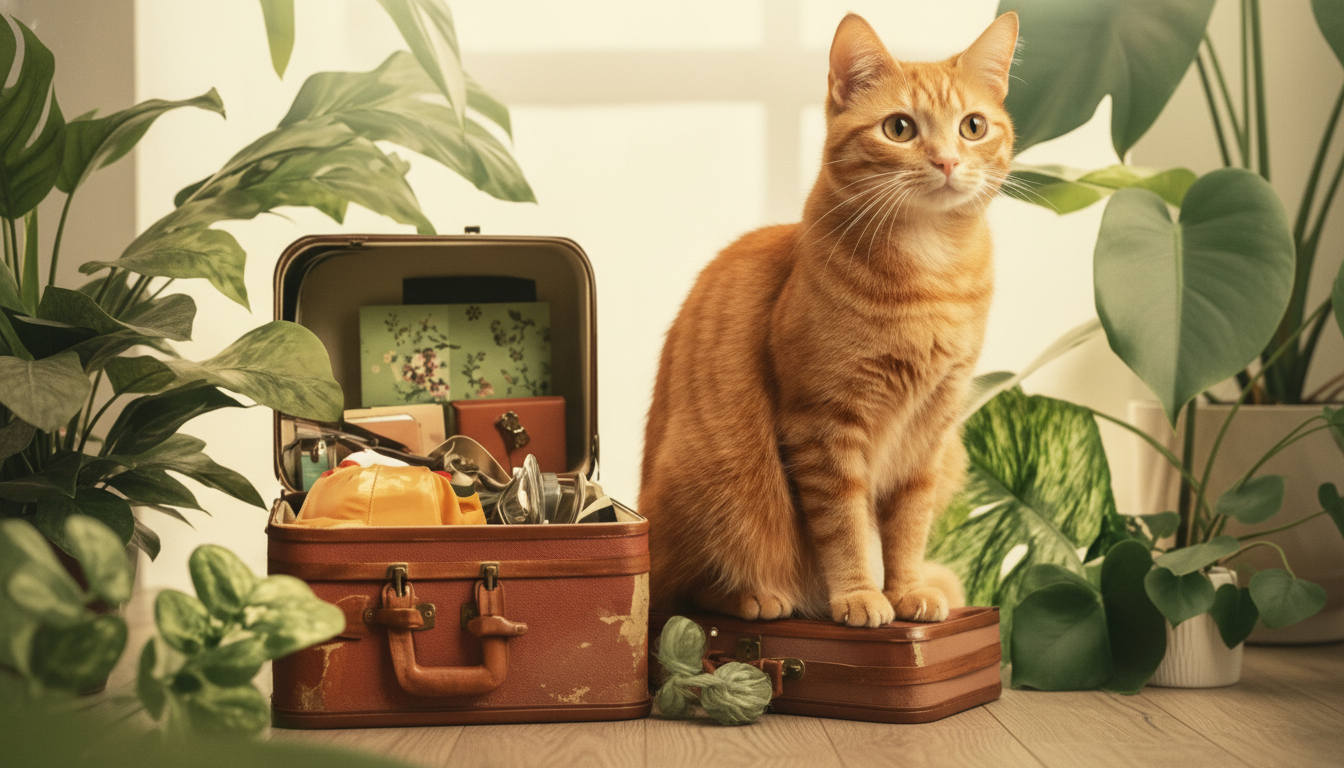
A smooth trip with pets starts before the car door closes. Use a simple system: confirm health and ID, pack the right gear by category, plan feeding and potty breaks, and prepare for emergencies. This checklist-style planner keeps dogs and cats comfortable on road trips and vacations while reducing the chance of forgotten essentials.
| When | Do This | Why It Matters |
|---|---|---|
| 7–10 days before | Check vaccine records, refill prescriptions, verify microchip info, book pet-friendly lodging | Avoid last-minute gaps and denied entry at lodging/boarding |
| 3–5 days before | Wash bedding, prep travel food portions, test crate/seat-belt harness fit | Reduces stress and prevents gear failures on the road |
| 1 day before | Pack medications, first-aid kit, water, poop bags/litter supplies, cleaning items | Ensures essentials aren’t forgotten when rushing |
| Departure day | Feed light meal (if needed), last potty break, secure restraint/carrier, set break schedule | Helps prevent motion sickness and keeps pets protected in sudden stops |
If you want a single place to track the packing list, documents, feeding notes, and break times, use the Printable Pet Travel Essentials Checklist and Planner to keep everything consistent from trip to trip.
Navigation and quick hands-free calls make the drive calmer when you’re coordinating stops. If you’re setting up your dashboard for long stretches, the Universal Forklift Wireless Charger and Phone Holder for Cars helps keep your phone visible and powered without juggling cords at rest stops.
For extra peace of mind, ensure your pet’s visible ID is current and consider a tracker on the collar or travel bag. The Silicone AirTag Holder for collars and travel bags is a simple add-on that can help you locate your pet’s collar or your pet’s go-bag quickly if things get chaotic during check-in or unloading.
For general travel health guidance and safety considerations, review AVMA — Traveling with Your Pet. If your trip includes crossing borders or specific import rules, consult CDC — Traveling with Pets as well.
To simplify repeat trips, keep a “ready bin” at home (bowls, wipes, waste bags, backup leash, and a small towel). When travel pops up, you’ll only need to add fresh food, meds, and documents—then confirm everything against your Printable Pet Travel Essentials Checklist and Planner.
The non-negotiables are a secure restraint or carrier, food and water with bowls, leash/harness, up-to-date ID and records, any medications with a dosing plan, cleanup supplies, and at least one comfort item. Cats typically need a reliable carrier and a plan for litter during longer stays.
For dogs, plan breaks about every 2–3 hours for water, a leashed potty break, and a short walk. Cats usually do better with fewer, calmer stops, and it’s safest to keep the carrier closed outdoors to prevent escapes.
Pack gauze, self-adhering wrap, pet-safe antiseptic wipes, tweezers, saline, a digital thermometer, and disposable gloves, plus key phone numbers for your vet and a nearby emergency clinic. Seek veterinary care quickly for repeated vomiting, breathing trouble, collapse, severe lethargy, or any rapidly worsening symptoms.











Leave a comment